Drone Rules and Regulations for Flying in Bali and Indonesia (Updated May 6, 2026)
Hey! Welcome to our official guide about the laws and rules for flying drones in Bali and across Indonesia. The regulations are divided into two categories depending on whether you are flying for personal use or for professional purposes.
What type of activity will you use your drone for?
Private use and hobbyist (category 1)
Please note that we do not respond to emails or messages regarding drone regulations or personal travel planning.
We are a professional drone filming service, not a travel guide or discussion forum. This page contains the most important information you need.
Thank you for your understanding.
Great! Everything is ready for your trip: you have your ticket, passport, sunscreen… but before closing your luggage, a few questions might come to your mind:
Can I bring my drone to Bali?
Is it allowed to fly in Indonesia if I am a foreigner?
How should I transport my drone and its batteries?
What are the rules?
The answer is…
But!! you must follow certain rules and restrictions when transporting your drone and when operating it within Indonesian territory.
If you are visiting Bali on a tourist visa, you are here for vacation. This type of visa does not allow you to provide commercial or paid services in Indonesia.
Engaging in paid drone work while on a tourist visa can expose you to serious legal problems if you are caught, including fines, deportation, and a ban from re-entering Indonesia for several years.
So enjoy your stay, relax, capture beautiful memories for yourself, and let the licensed professionals handle commercial drone work. 🙂
Step 1: The Transportation. How to carry your drone and batteries until Bali?
If you are traveling to Bali with a drone, you must first understand the airline rules for transporting drone batteries.
Most airlines follow international aviation safety regulations for lithium batteries. One rule is almost universal: EVERY battery must be carried with you in your hand luggage inside the cabin, and never in checked baggage.
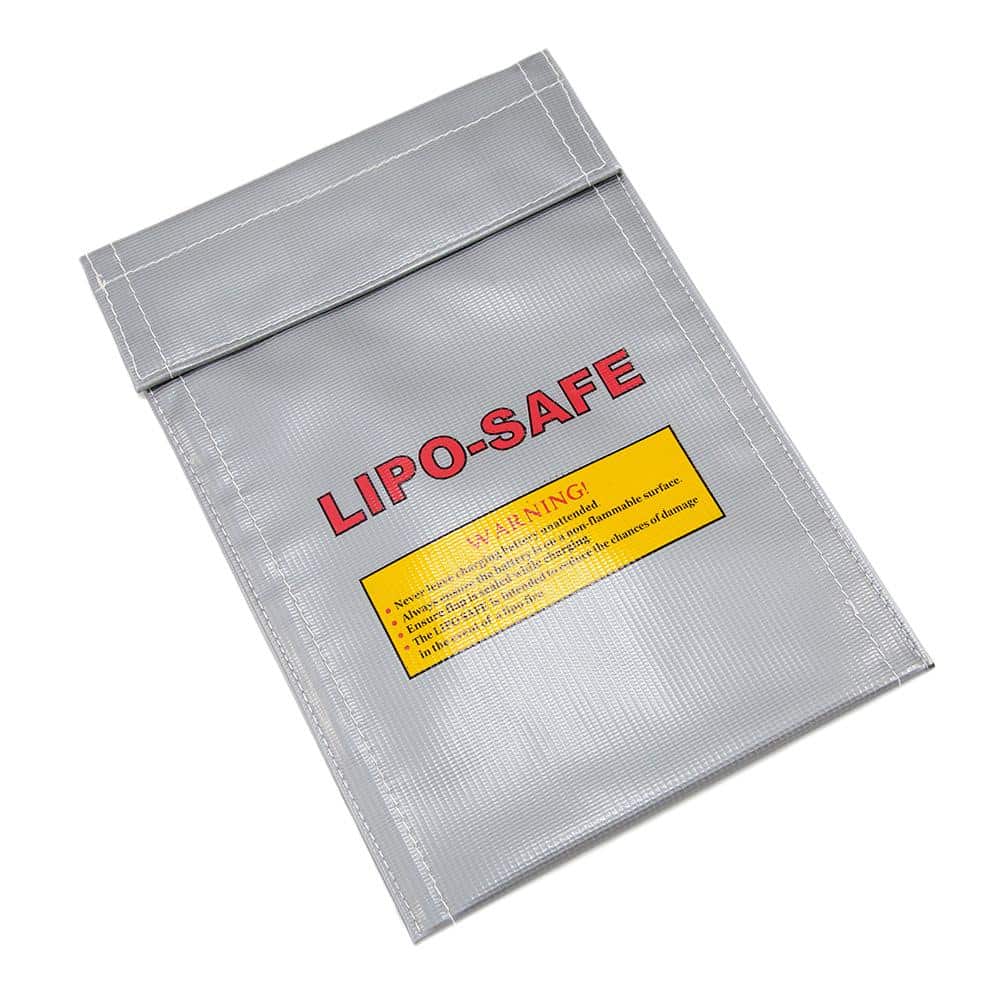
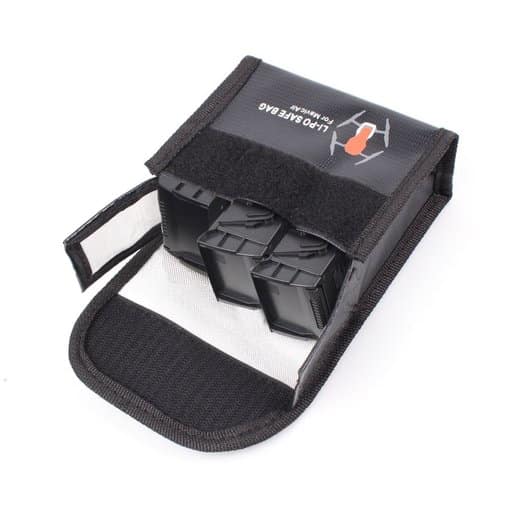
Some airlines may also require that batteries are transported separately from the drone and stored inside a fireproof battery bag (also called a LiPo safe bag). This safety measure helps reduce the risk of fire during the flight in the unlikely event of a battery malfunction.
It is also recommended to discharge your batteries to around 30% before flying. Lower battery levels significantly reduce the potential risk during air transport.
Even if the airline does not require a fireproof bag, it is strongly recommended to use one for additional safety. These LiPo safety bags usually cost between $5 and $20 and are easy to find on Amazon or other online stores.
The drone itself, without the battery, can usually be placed either in checked luggage or carried with you in the cabin, depending on your airline’s policy.
Tip: Always check your airline’s specific regulations before traveling to Bali with a drone, as rules may vary slightly between airlines.
Drone batteries are generally allowed on airplanes, but each airline may have slightly different regulations for carrying lithium batteries onboard. If you are using a common consumer drone such as DJI, GoPro, or Parrot, the batteries are usually accepted without issues.
If your drone is homemade or custom-built, make sure the batteries respect the power limits set by your airline and that the battery terminals are properly protected to avoid any short circuit.
Below you will find links to the main airlines so you can check their specific recommendations for transporting drone batteries on flights. If you already know the rules, you can go directly to Step 2.
Info
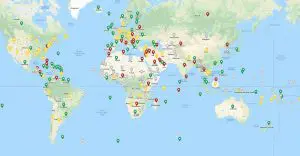
Some countries, such as India, may restrict or forbid leaving the country with a drone. Before traveling, make sure to check the drone laws and export regulations in your home country to avoid any problems at the airport.You can review the regulations for different countries using this Google Map guide:










Step 2: Flying a drone in Bali
Finally, you have arrived after many hours of flight. The heat hits you immediately and you start to sweat… yes, that’s normal. Welcome to Bali! Congratulations, you made it — and you will see, life here is amazing.
The good news is that you do not need a permit or license to fly a drone in Bali for recreational use. If you are flying only for personal photos or videos and not for commercial purposes, your activity is generally considered Category 1 (recreational use).
Professional operations such as filming for clients, mapping, or commercial production are considered Category 2 and require permits and certified pilots.
“Drone” is the common term used by the public, but in aviation regulations it is usually referred to as a UAV (Unmanned Aerial Vehicle).
Before flying your drone in Bali or anywhere in Indonesia, please take note of the following rules:
- The drone weight must be below 2 kilograms for recreational use
- Do not fly above 150 meters (500 feet) above ground level
- You should be at least 18 years old to operate a drone
- Keep a safe distance from people, crowds, and vehicles (minimum 30 meters)
- Stay away from restricted or protected areas (minimum 500 meters from military bases or sensitive sites)
- Stay outside airport airspace (minimum 15 km from airports)
- Do not operate more than one drone at the same time
- Do not operate the drone under the influence of alcohol or drugs
- Always keep your drone within visual line of sight
- Fly only in good weather conditions and maintain minimum visibility of 4.8 km
- Stay well clear of clouds (at least 150 m below clouds and 600 m horizontally)
- Operate the drone from a fixed position — do not fly from a moving vehicle
- Fly only during daytime (night flights are not allowed without authorization)
- Do not fly over temples or religious ceremonies (see below our advice)
Special case:If your drone weighs more than 2 kg, if you want to fly above 150 meters, or if you plan to operate in restricted areas, you must obtain a special permit from the Indonesian Ministry of Transportation, and most of the time, this kind of request fall in the category 2 : commercial use. Commercial drone operations also require official authorization and certified operators. You can check below for the commercial use, but to resume the main point is that you will need an indonesian drone pilot certification which is not available for foreigner.
Still, If you want to try for an official authorization, you can contact the relevant aviation authorities:
The Directorate General of Civil Aviation (DGCA):
- Email: hubud@dephub.go.id
- Phone: (+62) 8 111 004 222
AirNav Indonesia (Airspace Management):
- Email: info@airnavindonesia.co.id
- Phone: (+62)21 5591 5000
Curious about the laws in other countries? Visit the website uavsystemsinternational.com
Curious about drones news, training, and other great stuff about UAV? Visit the website of UAVCOACH
Now you know the most important rules for flying a drone for private use in Bali. Easy, right? However, we would like to give you a few additional tips to improve your experience and help you avoid unpleasant surprises. If this information was already helpful for you, don’t forget to leave a comment at the bottom of this page — we really appreciate it.
Please continue following the guide… 😉
Restricted Areas
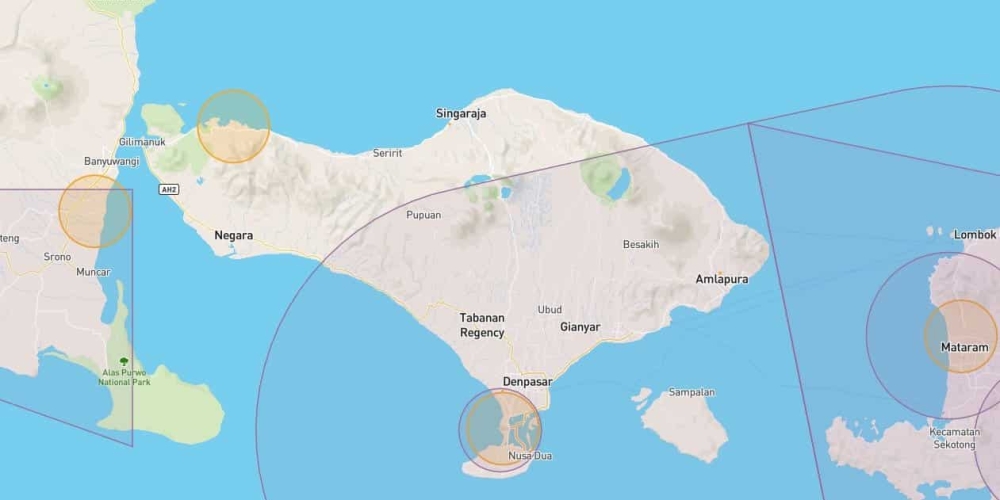
The website app.airmap.io listed all the restricted zone and prohibited zone. It could be a great tool if you don’t know if you are inside a restricted zone. Bali is very drone friendly, so even you want to fly in a purple area (see below), just respect the rules listed above and all will be fine.
- purple = restricted airspace
- orange = airport airspace
Our advices
Don’t fly over temples
Culture and religion are very important in Indonesia, which is why it is essential to adapt your behavior and habits to local customs and rules.
Temples, called “Pura” or “Candi” in Indonesian, are sacred places and highly respected by the local population. Disrespecting these religious sites may expose you to serious problems.
It can be very tempting to fly your drone over a beautiful temple to capture the perfect travel shot… but this is generally forbidden unless you receive permission from the temple authorities.
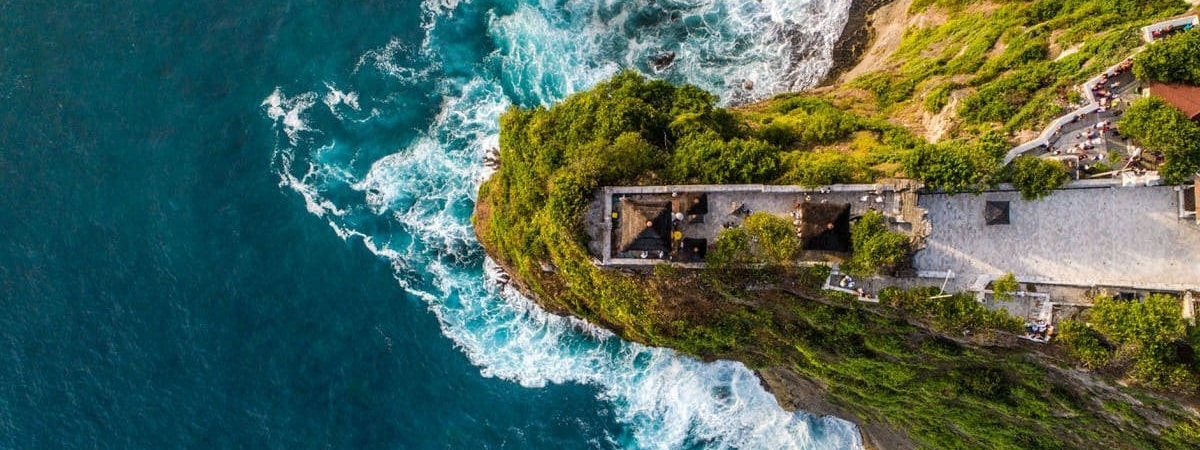
Some temples, such as “Pura Uluwatu”, do not allow drones at all. Others, like “Tirta Gangga Water Palace” or “Tanah Lot”, may allow drone flights in exchange for a donation (around 500,000 IDR). Always ask for permission before flying to avoid any problems or misunderstandings.
Respect privacy and stay safe
Bali is also a peaceful destination where many people come to relax and enjoy a quiet environment. Please respect others and avoid flying your drone over private property or hotels without permission. It is always better to ask for authorization first rather than risk problems with local people or the police.
Some famous places, such as Tegalalang (the rice terraces near Ubud), are a paradise for drone photography. However, these locations can also be very crowded during the high season, so remember that drones are not toys and can cause serious injuries if they fall.
Always fly responsibly and try to consider how others might feel. If you think, “I would not appreciate this if it were happening to me,” then it is probably better not to do it.
Do not expose your material to high temperatures
In Bali, the average temperature is around 32°C – 34°C. The temperature inside a car parked under the sun can reach 50°C in only 20 minutes and up to 80°C after one hour. For this reason, never leave your drone batteries inside a car or exposed to direct sunlight on the beach.
Drone batteries are very sensitive to high temperatures and may swell due to gas expansion inside the cells. If a battery becomes swollen or bulged, stop using it immediately as it can become dangerous. If your battery is still under warranty, try contacting your reseller… otherwise it is safer to replace it with a new one.
It is also important to let your batteries cool down before recharging them. Many modern batteries include built-in overheating protection, but traditional LiPo batteries usually do not have this type of safety feature.
Wind and Weather: Important Things to Know Before Flying a Drone in Bali
Bali has a tropical climate, which means the weather can change very quickly. Even if the sky looks clear, strong winds can appear suddenly, especially near the ocean, cliffs, or in the mountains.
Coastal areas such as Uluwatu, Nusa Penida, Tanah Lot, and the west coast of Bali are often affected by strong sea winds. These winds can make flying difficult, even for advanced drones. Always check the wind conditions before taking off.
During the rainy season (November to March), sudden rain showers and strong wind gusts are common. Water and drones are obviously not a good combination, so always be prepared to land quickly if the weather changes.
Tips for flying safely in Bali:
- Check the wind speed before flying (apps like UAV Forecast are very useful)
- Avoid flying during midday strong winds near cliffs or beaches
- Be careful with thermal air currents above rice terraces and mountains
- Always keep enough battery to return safely if the wind becomes stronger
- If the drone struggles to hold position, land immediately
Remember that even powerful drones can struggle in tropical wind conditions. Flying early in the morning or late afternoon usually provides the best and safest conditions for drone photography in Bali.
Choose the best time
The light in Bali is very strong. After 10 a.m., the sun is already high in the sky and the light becomes very intense. Because of this, it can be difficult to get the best results since the contrast between shadows and sunlight is very high.
Between 10 a.m. and 3 p.m., the temperature is also very hot and it can be difficult to see the image on your screen. Using a screen hood can be a good solution, like this one:

Our advice is to fly before 10 a.m. or after 3:30 p.m. During these hours, the light is softer and more cinematic, giving you much better results for your photos and videos. If you still want to fly during midday, you can improve your shots by using lens filters. ND filters are especially useful if you want to give a cinematic look to your footage.
Another useful trick is to shoot in D-Log or use a low-contrast setting in the “Style” tab of your video settings. Your footage will look flatter at first, but it will preserve more details in the shadows and highlights. This makes color grading and post-production much easier. (See the video below)
Check the sky before your flight
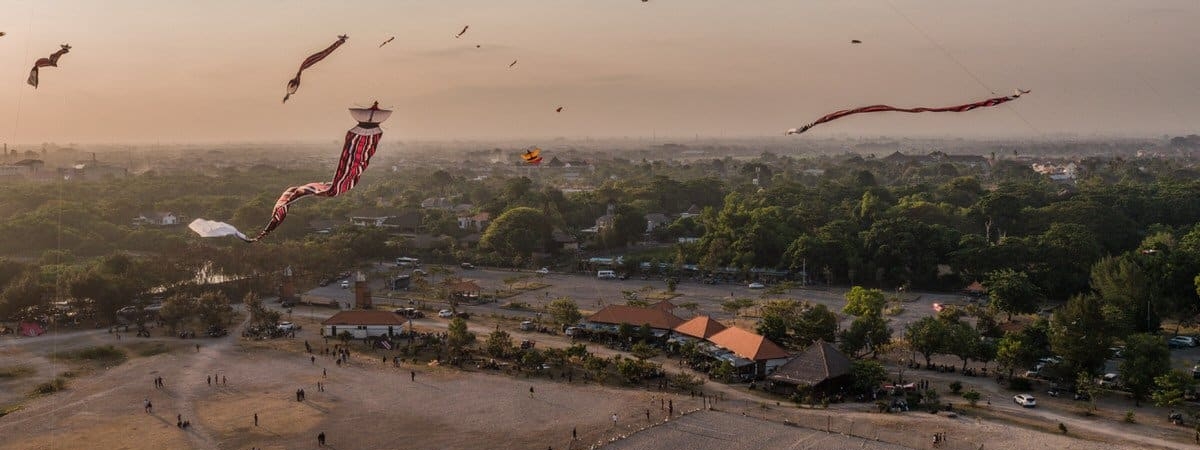
Before each flight, always check the sky and your surroundings to make sure there are no potential dangers. Be very careful with kites! Between June and August, many Balinese communities organize traditional kite competitions, including the famous “Nagaraja” kites.
During this period, hundreds of kites can be flying over Bali at the same time. Some of them fly very high and far from their owners. The kite strings can be extremely dangerous, and from experience we know that drone propellers usually cannot cut through these ropes.
Also remember that you are not the only person flying a drone. Always keep your drone in sight and stay aware of the airspace around you during your flights.
Take-off and land from a clean place
Bali is a volcanic island, and much of the soil contains iron and magnetic particles. If you take off directly from the ground, dust and small particles can stick to the magnets inside the drone motors or get trapped in the cooling fans (especially on compact drones like the Mavic Air).
To avoid potential damage, we recommend using a landing pad whenever possible. If you are experienced or have someone assisting you, another option is to launch and land the drone by hand.

Check your drone and your settings
Before each flight, inspect your drone carefully to make sure it has no damage. Check that the propellers do not have any scratches, cracks, or broken parts. If you notice even a small defect, it is safer to replace the propeller before flying. If your drone needs professional repair, here is a list of workshops that can repair drones in Bali.
Also review your drone settings before takeoff: check the compass status, return-to-home altitude, flight mode (Sport, GPS, ATTI), and the condition of the sensors (obstacle avoidance and vision positioning). Make sure your drone is running the latest firmware and that the no-fly-zone database is up to date. If you move to a new location, it is recommended to recalibrate the compass before flying.
FAQ drone traveling
Yes of course, as long you respect the rules explained above. And don’t forget: fly safe and keep the privacy of other people.
Yes, they are. Most consumer drones are licensed and already comply with local laws. For more information check the laws just above and documents at the footer of this page.
Yes, you can, but be sure to keep the batteries with you in cabin. The drone can go in the checked luggage. Check also in our article the rules from the different airline company to know how many batteries you can bring 😉
Yes, it is possible as long there are no dangerous parts on your drone like artificial parachute etc … check the airlines’ rules right above. Verify that the case size of your drone fits with the airline rules, habitually 22”x14”x9” or 56x36x23 in centimeters.
Yes, you can buy drones in Bali and Indonesia. You can easily find the major brands like DJI but for the other brand or spare parts, it is a bit more complicated, so think to bring some extra propellers with you. You can find some addresses where to buy and repair your drone on this page: Where to Buy and repair drones in Bali.
It is forbidden to fly over temples unless to get the approval, but people are kind and can allow you to fly at a reasonable distance if you ask nicely. You can’t fly close to restricted areas such as airport, military camps etc… Finally, more and more hotels forbidden the use of drones to preserve the privacy of the guests, so think to ask the authorization of the management before to takeoff. In Bali, a lot of people come for peace, silent, and meditation, so please, respect everyone’s well-being 😉
The maximum altitude for a drone in Bali and in Indonesia is about 150 meters ( 500 feet) from the ground. You have to stay away also from crowds (300meters) and 15km from airport. Do not fly inside the cloud and keep a safe distance from them: 150meters below and 600m distance).
Yes they are, and it is why it is important to follow the local law to try to keep it like this.
Yes, tourists can bring a drone to Bali and travel with it to Indonesia. Most travelers visit Bali with popular drones such as DJI Mini, DJI Air, or DJI Mavic series. There is no specific restriction preventing foreigners from bringing a drone into the country for recreational use.
However, you must follow airline safety rules for transporting lithium batteries and respect the Indonesian aviation regulations once you arrive. Always keep drone batteries in your carry-on luggage and never in checked baggage.
Yes, foreigners are allowed to fly drones in Indonesia for recreational purposes. You do not need a license if you are flying your drone for personal use such as travel photos or videos.
Commercial drone operations such as filming for clients, mapping, or professional production require special authorization from the Indonesian aviation authorities and certified drone operators.
For recreational drone flights in Bali, no permit is required as long as your drone weighs less than 2 kg and you follow the basic aviation rules such as flying below 150 meters and staying away from airports and restricted areas.
If your drone weighs more than 2 kg, if you want to fly higher than 150 meters, or if you plan to fly for commercial purposes, you must obtain a special permit from the Directorate General of Civil Aviation in Indonesia.
Professional (category 2)
Welcome in Bali Guys
Hello professionals, and welcome to Bali (and Indonesia)! We are happy to see you here. Indonesia is an incredible source of inspiration for filmmakers and drone operators. With its stunning landscapes, volcanoes, rice terraces, and rich traditional culture, it is relatively easy to capture amazing aerial shots.
We assume that you already know how to transport your drone equipment and batteries safely, and that you are familiar with good drone operating practices. In general, the drone regulations in Indonesia are not very different from those in many other countries.
However, drone regulations and aerial filming are still relatively new in Indonesia. Because of this, some local authorities may not always be fully familiar with the regulations or may not be able to provide clear answers to your questions.
Before booking your flight to Indonesia, make sure you obtain all the necessary filming permits. Some administrative procedures can take several weeks or even a few months to be approved, depending on the scope of your project.
If you need assistance with drone operations or filming permits in Bali, feel free to contact us — we would be happy to help.
Please note that failing to comply with Indonesian aviation laws may result in penalties of up to IDR 5,000,000 and/or up to 3 years of imprisonment.
There is an important point that professional drone pilots should be aware of before coming to Indonesia. According to Indonesian aviation regulations issued by the Directorate General of Civil Aviation (DGCA) – Ministry of Transportation (notably Regulation PM 37 of 2020 regarding the operation of unmanned aircraft), only pilots holding an Indonesian Remote Pilot Certificate are legally allowed to operate drones for commercial purposes within Indonesian territory.
In practice, this means that foreign drone pilots are generally not allowed to conduct commercial drone operations in Indonesia unless they hold an Indonesian pilot certification, which is normally issued only to Indonesian citizens or naturalized citizens.
For this reason, most international productions choose to collaborate with local licensed drone operators who are authorized to fly commercially in Indonesia.
The official Indonesian drone pilot certification is issued through the government platform SIDOPI (Sistem Informasi Drone Operator dan Pilot Indonesia). Licensed pilots receive a digital certificate that includes a QR code, allowing authorities or clients to verify the validity and authenticity of the license online.
If your production requires aerial footage in Bali or anywhere in Indonesia, working with a local certified drone operator (like us) is the safest and most efficient way to comply with Indonesian aviation regulations.
Professional steps
Step 1: Get the permits
To obtain the necessary permits (for drone operations only), you will need to contact the DGCA (Directorate General of Civil Aviation, sometimes also referred to as DGTA) or AirNav Indonesia to submit a flight request. For this application, you will usually need to provide the following information:
- Valid insurance coverage for the drone operations
- The purpose of the flight, including locations, dates, times, and details about the drone
- A valid Indonesian drone pilot license and the pilot’s identity
- A letter from your client explaining that they have selected your services for the project, including details about the production. (If you are the originator of the project, you can simply explain the purpose and scope of your project.)
You can send your request and documentation to one of the following authorities:
The Directorate General of Civil Aviation (DGCA):
- Email: hubud@dephub.go.id
- Phone: (+62) 8 111 004 222
AirNav Indonesia:
- Email: info@airnavindonesia.co.id
- Phone: (+62)21 5591 5000
Step 2: Transportation of the material
We assume that you know already how to transport your material and batteries, but please take a look to this section to remember the best practices and get the details for your airline company: Batteries Packaging and airlines rules
Step 3: Follow the Indonesian rules
Before to fly your drone take notes of the different rules:
- The drone weight must be below 25 kilograms and must have a registration number (SERTIFIKAT PENDAFTARAN PESAWAT UDARA KECIL TANPA AWAK)
- Do not fly above 150 meters (500 feet) above ground level
- Pilot be at least 18 years old to operate a drone and have a Valid Indonesian Pilot license (no foreigner license accepted)
- Keep a safe distance from people, crowds, and vehicles (minimum 30 meters)
- Stay away from restricted or protected areas (minimum 500 meters from military bases or sensitive sites)
- Stay outside airport airspace (minimum 15 km from airports)
- Do not operate more than one drone at the same time
- Do not operate the drone under the influence of alcohol or drugs
- Always keep your drone within visual line of sight
- Fly only in good weather conditions and maintain minimum visibility of 4.8 km
- Stay well clear of clouds (at least 150 m below clouds and 600 m horizontally)
- Operate the drone from a fixed position — do not fly from a moving vehicle
- Fly only during daytime (night flights are not allowed without authorization)
- Do not fly over temples or religious ceremonies (except with local authorization)
Special case: If you want to fly over 150m or close to a profited area you will need to be at least 20 years old and get a special permit delivered by the ministry of transportation as mentioned above.
Step 4 : Make a nice video
That’s all! If you follow these first steps, everything should go smoothly and you will be able to fully enjoy Bali and your aerial shooting experience.
We hope this guide has been helpful. Don’t forget to read our advice section for additional tips.
We have also included the official documentation below. If you are curious (or courageous!), feel free to take a look.
Official documents
Drone Regulation PM37
Year 2020
Drone Regulation PM47
Year 2016
General Operating & Flight Rules
CASR Part91 amdt2
Regulation of UAV PM180
Year 2015
Source & other links:
Ministry of transportation : http://dephub.go.id
Airspace Regulation : https://airnavindonesia.co.id/
Directorate of Airworthiness and Aircraft Operations Portal : https://imsis-djpu.kemenhub.go.id/PortalDKPPU/